
Canberra Australian Native Wasp Pest Control
Protect your home with expert Canberra Australian native wasp pest control services. We offer reliable wasp control in Canberra to manage nests and keep your property safe year-round.
Call Now!
Understanding Wasp Behavior in Canberra
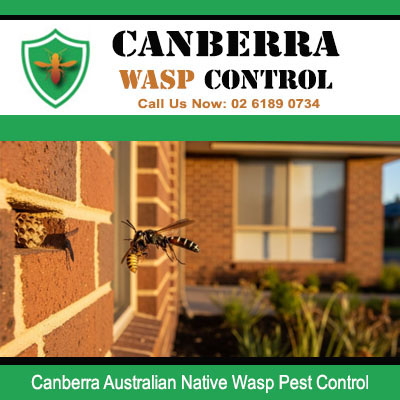
Wasps are common throughout Canberra, especially in the warmer months. Knowing their habitat and lifecycle helps people reduce the risks they may cause. Australian native wasps are active mainly from spring to autumn, with peak activity in summer. Warmer temperatures make wasps more active as they breed and build nests. Over the year, wasps develop from eggs to adults, which affects how they behave and move.
In Canberra, wasp activity begins in early spring when queens leave hibernation to start nests. Their activity stays high during summer and drops in late autumn as temperatures cool. Wasps choose places with shelter like trees, shrubs, and cavities to build nests safely. Knowing these seasonal patterns helps with better wasp control and lowers risks around your home.
Why are wasps more active during certain seasons?
Wasps in Canberra become more active because of changes in temperature and seasons. In spring, warmer weather makes queen wasps start building nests and laying eggs. By summer, wasp numbers grow quickly as colonies expand, causing the highest risk of stings and infestations.
Reasons why wasps are more active in warmer months include:
- Higher temperatures speed up their lifecycle and breeding.
- More food sources like nectar and sugary substances are available.
- Longer daylight hours give wasps more time to find food and build nests.
- The period from early spring to late autumn offers good conditions for nest building and colony growth.
When autumn comes and the weather gets cooler, wasp activity slows down. Most wasp colonies die by late autumn, except fertilised queens, which survive winter and restart the cycle next spring. Knowing this lifecycle helps prevent wasp problems when they are most likely to be a pest or a danger.
What attracts wasps to my property?
Wasps are drawn to properties that offer food and shelter. Canberra’s suburbs with gardens, trees, shrubs, and water sources provide good habitats for wasps to live and build nests.
Common things that attract wasps include:
- Sweet and sugary foods and drinks, such as nectar, fruit, soft drinks, and sugary leftovers.
- Food scraps left outside during picnics or barbecues.
- Flowering plants and gardens rich in nectar.
- Shelter from dense bushes, tree branches, and cavities in sheds or walls.
- Water from birdbaths, pet bowls, or dripping taps.
Australian native wasps and other species like paper wasps usually build nests near these food and shelter areas. Keeping your outdoor space clean, closing rubbish bins tightly, and trimming plants can reduce attraction and stop wasps from settling on your property.
Are all wasp species in Canberra aggressive?
Not all wasp species in Canberra show the same behaviour or aggression. The area has several types, including Australian native wasps, European wasps, and paper wasps.
Key points about their behaviour are:
- European wasps and social wasps are more aggressive and likely to sting if disturbed. Their stings can be painful and risky, especially for those allergic.
- Australian native wasps are usually less aggressive and avoid people unless provoked.
- Paper wasps show moderate aggression and will defend their nests if someone comes too close.
Knowing the differences between wasp species helps understand the real risk and choose proper pest control methods. If you see very aggressive wasps or large nests near your home, contact professional native wasp pest control for safe removal.
Have questions about managing wasps on your property? Contact Canberra Wasp Control for expert advice and safe, effective wasp management. Our trained team follows recommended practices to protect your home and family during Canberra’s wasp season. Call now to arrange an inspection or get a quote.
Frequently Asked Questions
Q: When do wasps usually start building nests in Canberra?
A: Nest building starts in early spring as temperatures rise and continues through summer when wasp activity is highest.
Q: What should I do if I find a wasp nest on my property?
A: Do not disturb the nest. Contact professional wasp control services to remove it safely.
Q: Are Australian native wasps dangerous?
A: Native wasps are less aggressive than European wasps but may sting if provoked. It is best to stay clear and call experts to remove them.
Q: How can I reduce wasp attraction to my garden?
A: Keep food covered when outdoors, clean spills quickly, secure rubbish bins, and trim shrubs where wasps might nest.
For reliable information about wasp species and pest control, visit trusted sources like the Australian Museum and CSIRO Entomology. Canberra Wasp Control has trained pest management professionals familiar with local wasp behaviour and control methods.
Identifying Common Canberra Wasp Species
In Canberra, wasps are a common problem for many homes and businesses. Knowing the different wasp species helps with effective wasp control Canberra and pest control Canberra. The most common wasps include the European wasp, native wasps, and the Canberra wasp, which is an Australian native wasp.
European Wasp (Vespula germanica)
The European wasp is an introduced species that is often seen as an invasive and dominant pest. They have clear black stripes on yellow bodies, making them easy to spot. European wasps build large hives and aggressive nests, found underground or inside buildings. They belong to the genus Vespula and are known for their painful sting and protective behaviour.
Native Wasps in Canberra
Native wasps, including species from the genus Polistes like Polistes chinensis, and other Australian native wasps, play important roles in nature. These wasps are usually less aggressive than European wasps. Their nests are smaller and open, often made from paper-like materials. Unlike European wasps, native wasps rarely enter homes but may need control if nests are near people.
How can I distinguish a European wasp from a native wasp?
It is important to tell the difference between the European wasp and native wasps for proper identification and control.
- Appearance:
European wasps have bright yellow and black colour with distinct black stripes.
Native wasps usually have duller colours, sometimes with brown or reddish tones. - Nest and Hive Structure:
European wasps build closed, paper-like hives in underground burrows or wall gaps.
Native wasps build open, umbrella-shaped nests on trees or under eaves. - Behaviour:
European wasps are more aggressive and often compete with native species near food.
Native wasps tend to be solitary or live in small groups and are less aggressive. - Species Identification:
European wasps are from the genus Vespula germanica.
Native wasps include species like Polistes chinensis, known as paper wasps.
Correct identification guides the right wasp control Canberra methods. For safe removal and advice, contact professionals in pest control Canberra.
What are the characteristics of paper wasps in the region?
Paper wasps are a kind of native wasp commonly found near Canberra. They belong to the genus Polistes, such as Polistes chinensis and Polistes humilis.
- Appearance:
Paper wasps have slim bodies with mixed brown, black, and yellow colours. Their wings fold neatly at rest. - Nest Building:
They make open, umbrella-shaped nests from chewed plant fibres forming a paper-like material.
These nests are often under eaves, branches, or shrubs. - Behaviour and Lifecycle:
Paper wasps are social insects living in colonies but are less aggressive than European wasps.
A queen starts the colony in spring. Workers help build the nest and find food during summer. - Ecological Role:
Paper wasps eat many pest insects, helping gardens stay healthy.
Although helpful, paper wasps will sting if threatened. Professional pest control Australian native wasp services can remove nests safely while protecting beneficial insects.
How do mud dauber wasps differ from social wasps?
Mud dauber wasps are another group of Australian native wasps and are different from social wasps like European and paper wasps.
- Nesting Habits:
Mud daubers build solitary nests from mud or “mortar” attached to walls or eaves.
Social wasps build larger, paper-based communal nests. - Social Behaviour:
Mud daubers are solitary, with each female making her own nest and storing prey for her young.
Social wasps live in colonies that include queens, workers, and males. - Lifecycle and Habitat:
Mud daubers have a solitary lifecycle focused on individual nest building and reproduction.
Social wasps’ lifecycle involves growing nests and coordinated colony tasks. - Safety and Sting Risk:
Mud daubers rarely sting and do so only if provoked. Social wasps, especially European wasps, are more defensive.
Knowing these differences helps you choose the right wasp pest control method. For trusted wasp control Canberra, contact pest control experts who understand native species and use safe methods.
Have you seen wasps around your property? Knowing their species helps decide when to get expert help. For safe removal, contact Canberra Wasp Control today. Protect your home from stings with professional pest control.
FAQ: Common Questions About Canberra Wasps
Q: Are European wasps harmful to people?
A: Yes, European wasps are aggressive and their stings can cause pain and allergic reactions. They are a major pest.
Q: Can native wasps sting?
A: Native wasps like paper wasps and mud daubers can sting but are less aggressive than European wasps.
Q: How can I safely remove wasp nests?
A: Always hire professional wasp control Canberra experts. Removing nests yourself can be unsafe and ineffective.
Q: Do mud dauber wasps pose a threat?
A: Mud daubers are solitary and rarely sting unless disturbed. They help control pest insects.
For more information about safe pest control and wasp behaviour, visit Pest Control Australia and Entomological Research.
All insect information provided is from experts in Australian native species and pest management.
Effective Pest Management Techniques
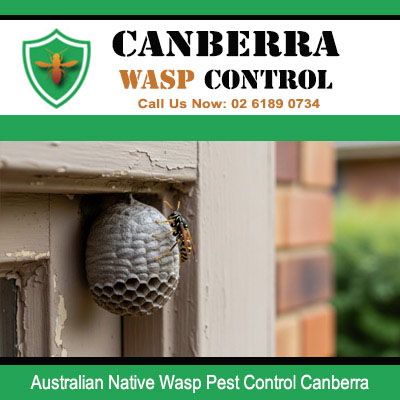
What are the benefits of professional pest control services?
Professional pest control services in Canberra provide a trusted way to manage and remove pest infestations quickly and effectively. Certified and trained exterminators offer thorough inspections and treatments suited for specific pests, including Australian native pests like the native wasp.
Key benefits include:
- Expert Inspection: Early pest detection lowers the risk of large infestations.
- Custom Treatments: Professionals use methods designed for both homes and businesses.
- Guaranteed Results: Many providers guarantee effective control and follow-up visits.
- Safety Priority: Approved products are used to keep your environment safe.
- Emergency Service: Fast action helps reduce damage during urgent infestations.
- Good Customer Service: Ongoing support helps keep your property pest-free.
By hiring experts for pest control Canberra residents protect their property and effectively control pests such as wasps and other native species. Experienced exterminators understand pest behaviour and deliver control services that protect your health and property value.
Are there eco-friendly wasp control options available?
Eco-friendly wasp control is a good choice for those who want natural and sustainable pest management. Australian native pest control often uses green pest control methods that avoid harsh chemicals and focus on safe, least toxic solutions.
Some options include:
- Biological Control: Using natural enemies to reduce wasp numbers.
- Non-Chemical Methods: Removing nests or changing habitats to prevent wasp nesting.
- Organic Products: Plant-based treatments that control wasps without harming helpful insects.
- Sustainable Practices: Methods that keep the environment balanced and reduce chemical use.
Choosing native wasp control in Canberra with eco-friendly pest control protects local wildlife. These options control paper wasps and other native wasp species while keeping your family and pets safe. Look for pest control services that specialise in Australian native pest control and care about the environment.
How often should I schedule a pest inspection to prevent infestations?
Regular pest inspections help stop costly and harmful infestations in homes and businesses. Scheduling inspections at the right times can catch early signs of pests like termites, wasp nests, and native pests before they spread.
Guidelines for inspections:
- Homes: Twice a year to catch native wasp pest activity and other common pests early.
- Businesses: Every three months to keep the area pest-free and meet health rules.
- High-Risk Areas: More often if pests have been a problem before or if the location is vulnerable.
Having regular inspections by pest control Canberra professionals gives you a better chance to stop infestations early. This approach reduces risks and helps control native pests and wasps over time. Keeping a pest inspection schedule is important for good pest management and long-term protection.
If you have questions about pest management or want to know more about eco-friendly pest control, comment below or contact Canberra Wasp Control.
Call now to book an inspection or get a quote from certified professionals.
Preventing Wasp Nests Around Your Home
How can I seal potential nesting sites to deter wasps?
To stop wasps from building nests around your home, you need to seal places where they might nest. Wasps often build nests in cracks, cavities, holes, and other openings found in both residential and commercial buildings. Check these areas closely:
- Masonry surfaces like sandstone and limestone walls
- Cracks in the eaves, roof, and walls of your house
- Holes near posts and other outdoor structures
Seal these gaps with materials such as caulking or mesh screens to block wasps’ access and stop them from building nests. Keeping the outside of your building well maintained lowers the chance of wasp nests forming and helps prevent infestations.
If you see any signs of wasps or new nests, deal with them early to avoid bigger problems. For help with sealing or advice, contact pest control specialists who know how to prevent wasp nests effectively.
What plants repel wasps naturally?
Using plants that repel wasps is a natural way to keep these pests away without chemicals. Some plants stop wasps by masking smells they like or by giving off natural repellents. Good choices include:
- Australian native plants such as eucalyptus and tea tree
- Bushes and trees with strong scents
- Nectar-producing flowers that attract helpful insects but not wasps
Native plants grow well in Canberra suburbs and help control wasps in an environmentally friendly way. Planting these in your garden creates a natural barrier against wasps and supports local wildlife.
Here are some tips for using plants to repel wasps naturally:
- Place dense shrubs near doors and windows
- Avoid sweet-smelling plants that attract wasps
- Use a mix of different natural repellents for better results
For specific advice about native plants best suited to your garden, talk to local landscapers experienced in pest control.
How do I safely remove a small, newly built wasp nest?
Removing a small wasp nest must be done carefully to avoid stings and injury. Wasps can become aggressive if disturbed, so safety is very important. Follow these steps:
- Do not try to remove the nest without wearing protective clothing and using proper equipment.
- Call trained pest control experts who handle wasp nest removal safely.
- Removing nests early reduces the chance of wasps coming back and stops damage.
- Professionals use safe methods made for the size and place of the nest.
Trying to remove a wasp nest yourself can cause emergencies due to stings, which may result in allergic reactions. Pest control services in Canberra use protective gear and special tools to get rid of wasp nests safely and quickly.
If you find a small wasp nest on your property, contact Wasp Pest Control Canberra right away for safe, expert removal. Protect your family and home with professional wasp control services.
Have you noticed wasp problems recently?
You can ask questions or share your experience below. For urgent wasp nest removal or advice on prevention, get a quote today from trusted local experts.
Safety and Emergency Measures
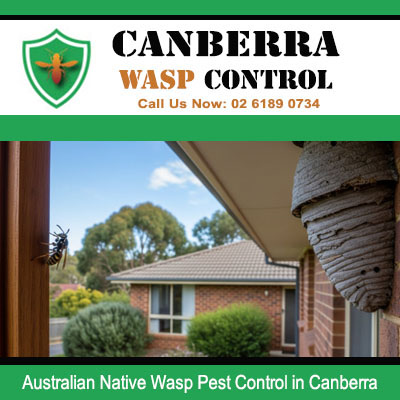
What should I do if I get stung by a wasp?
If you get stung by an Australian native wasp in Canberra, you might feel pain, swelling, redness, and itching where the sting happened. Unlike bee stings, wasps do not leave their stinger behind, so it is important to act quickly.
Here are the first aid steps you should follow for a wasp sting:
- Remove the wasp if you see it: Gently brush it away without squeezing any venom.
- Clean the sting area: Wash it well with soap and water.
- Apply a cold compress: This helps reduce pain and swelling.
- Take pain relief medicine: Over-the-counter medicines like ibuprofen or acetaminophen can help ease pain.
- Use anti-itch creams or antihistamines: These reduce itching and redness.
- Avoid scratching: Scratching can cause an infection.
Some people suggest using honey, but there is little proof that it helps. It is better to clean the sting properly and seek medical help when needed.
If you are stung multiple times or if swelling gets worse quickly, you should get medical advice right away. Although wasp venom is poisonous, most stings only cause mild symptoms.
When is it necessary to seek medical attention after a wasp sting?
Most wasp stings can be treated at home, but there are times when you need to get medical help quickly:
- Allergic reaction signs: Trouble breathing, swelling of the face or throat, fast heartbeat, dizziness, or fainting could mean a severe reaction called anaphylaxis.
- Severe swelling or pain: Swelling that spreads far from the sting or lasts more than two days.
- Multiple stings: Being stung many times raises the chance of serious problems.
- Worsening symptoms: If pain, redness, or signs of infection like pus get worse despite first aid.
If you suspect anaphylaxis or severe allergy, call emergency services or go to the hospital immediately. Doctors may give adrenaline injections (epinephrine) and other treatments to help you recover.
Watch for difficulty breathing, swelling of lips or tongue, or feeling faint after a sting. These need urgent medical care.
How can I protect my family and pets from wasp attacks?
To keep your family and pets safe from wasp pests in Canberra, use these simple prevention steps:
- Check your property often: Look for wasp nests around eaves, sheds, garden furniture, and trees.
- Seal entry points: Close gaps around windows, doors, and vents to stop wasps entering your home.
- Remove food sources: Keep outdoor eating areas clean and cover food to avoid attracting wasps.
- Plant natural repellents: Plants like mint and citronella can help keep wasps away from your garden.
- Hire professional wasp control: Experts can safely remove nests and manage wasp pests.
- Teach your family: Explain to children and guests how to stay calm and avoid sudden movements around wasps.
- Watch your pets: Keep pets safe during outdoor time and stop them from disturbing wasps or nests.
Having a plan for emergencies lowers the risk of wasp attacks and makes your home and yard safer. If you see many wasps or large Australian native wasp hives close to your home, contact pest control quickly.
Following these steps reduces the chance of painful wasp stings and creates a safer environment for your whole household.
Have questions about wasp safety or need professional wasp pest control in Canberra? Contact Canberra Wasp Control today for expert advice and safe treatment to protect your family, pets, and home.
What types of wasps are common in Canberra, and how do they differ from bees or hornets?
In Canberra, common wasps include social wasps like yellow jackets and native Australian wasps. These wasps differ from European honey bees and hornets in behaviour and nesting. Wasps tend to be more aggressive and often build nests in cavities or mortar cracks.
How do you safely control pest wasps without harming beneficial insects?
Our treatments focus on pest wasp nests while reducing harm to native bees and other insects like arachnids. We use safe methods that protect pets and marsupials in the area and follow environmental safety standards.
Can DIY methods effectively control wasp infestations in residential areas?
DIY methods may help with small wasp problems but usually do not work well against large nests, especially in warmer months when wasp activity increases. Professional pest controllers can remove nests and bee swarms safely and stop wasps from invading homes or commercial buildings.
Are emergency services available for severe wasp infestations or bee stings?
Yes, we offer emergency pest control for urgent wasp nest removal and bee sting cases. Quick action helps avoid painful stings and deals with invasive pests like Asian paper wasps or redback spiders often found near windows and bushes.
What pests do you control besides wasps?
We also manage pests such as rodents, cockroaches, silverfish, and termites. Our termite treatments are designed for both homes and businesses in Canberra and nearby areas like Queanbeyan and Molonglo Valley.
How do location and weather affect wasp control strategies?
Wasp activity rises during warmer months, so quick treatment is needed. Different areas like Woden, Gungahlin, and Weston may have various pest issues because of nearby bushes or cavities. We adjust our treatments to suit each location for strong, lasting results.
What are the common signs of a wasp nest near my home, and when should I call a professional?
Signs include buzzing sounds near windows, striped wasps hunting around bushes, or a visible beehive. If you see many wasps or nests in mortar or cavities, contact a pest control expert instead of trying to remove it yourself.
Canberra Australian Native Wasp Pest Control Insights
- We offer expert pest control in Canberra, focusing on managing and removing pest wasps including yellow jacket, mud dauber wasps, and native species like Polistes humilis and Polistes chinensis.
- Yellow jacket wasps are aggressive pests that swarm and nest near homes. They are often attracted to nectar and honey. Our service helps you safely get rid of these wasps.
- Native wasps from the polistes genus help local ecosystems but can become pests when nesting in mortar or other structures around Canberra. We use control methods that protect beneficial insects.
- Early action is important for pest wasp control to stop large swarms and reduce sting risks. We focus on quick, safe removal with guaranteed results.
- Mud dauber wasps usually pose less threat but can build nests in building mortar, which may cause damage. Professional checks help avoid problems.
- Asian wasps share similarities with native species. We use targeted treatments based on the behaviours and habitats of wasps found in Canberra.
- Many wasp species are attracted to honey and nectar, making gardens and outdoor areas risky. Our prevention tips help keep these places safe and free from wasps.
- If you see wasps near your home or business, contact us for complete pest wasp control. Our team ensures your safety and peace of mind.
- Ask for a quote today to learn about our customised solutions for removing wasps, including those nesting in hard-to-reach spots like mortar joints or under eaves. Latitude: -35.28125457023595, Longitude: 149.13061311350612