
Canberra European Wasp Pest Control
Canberra European Wasp Pest Control offers reliable wasp removal and management services to keep your home safe from infestations. Our expert team uses effective methods for pest control in Canberra, including the removal of european wasps, nests, and other wasp species.
Call Now!
Identifying a Wasp Infestation
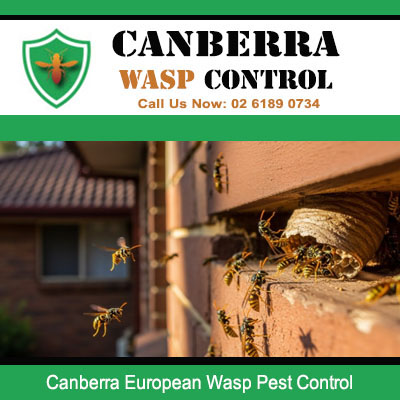
What are the early warning signs of a wasp infestation?
Spotting a wasp infestation early helps keep your home safe and makes pest control easier. In Canberra, European wasps and paper wasps are common social wasps that can cause problems if they build nests near your property.
Watch for these early signs of wasp activity:
- More wasps around your home, especially in warmer months.
- Seeing wasp nests on walls, eaves, roof cavities or trees.
- Wasps acting aggressively, flying close to people or pets.
- Stinging incidents causing pain and swelling.
- Mud wasps making mud nests on sheltered surfaces.
- Buzzing sounds coming from wall cavities or ceilings.
If you see these signs, act quickly to stop the infestation. Regular inspections can help find wasps early and lower the risk to your family.
How do you differentiate between wasp nests and bee hives?
It is important to know if you have a wasp nest or a bee hive because they need different ways to remove them. Here are some simple differences:
- Nest Look: Wasp nests look papery and greyish, made from chewed wood fibres (like paper wasps). Bee hives look waxy and hold honey cells.
- Where They Live: Wasps build nests in places like wall cavities, eaves, or under roofs. Bees live in hollow trees or special hives made by beekeepers.
- Species: European honey bees make honey and beeswax and help with pollination. Social wasps include paper wasps and yellow jackets; they do not make honey.
- Behaviour: Wasps can be aggressive and sting many times when disturbed. Bees usually sting once and then die.
- Size: Bee hives usually are bigger and more organised than wasp nests.
- Larvae: Both have larvae inside, but they look different.
Knowing these facts helps you remove nests safely. Mistaking a wasp nest for a bee hive can lead to more stings. It is best to get help from a professional for identification and removal.
Where are common nesting locations for wasps around a property?
Wasps often build nests in hidden and safe spots around Canberra homes. Common places to check include:
- Eaves and overhangs of houses, townhouses, and strata buildings.
- Wall cavities, especially where sandstone, limestone, or mortar has gaps.
- Roof spaces and attics that give warmth and shelter.
- Trees and bushes near the house offering natural cover.
- Cracks or holes in fences and garden sheds.
- Mud wasps make small mud nests on sheltered outdoor surfaces like walls or beams.
Nests in these areas can be dangerous due to their closeness to people. Checking these spots regularly helps find wasp nests early and allows quick pest control action.
Have you seen wasps near your home? Share your experience or ask questions below, we want to help you stay safe.
For expert help with wasp infestations, contact Canberra Wasp Control. Our trained professionals use safe and effective methods to protect your property and family.
Sources:
- Australian Government Department of Agriculture, Water and the Environment: Invasive European Wasps
- University of Sydney, School of Life and Environmental Sciences: Differentiating Between Wasps and Bees
Addressing Safety Concerns
What immediate actions should I take if stung by a wasp?
A wasp sting can cause pain, swelling, and sometimes serious allergic reactions. If you get stung, act immediately to reduce injury and risk. Follow these steps for first aid:
- Remove the stinger carefully without squeezing it to avoid releasing more venom.
- Clean the sting area gently with soap and water.
- Apply a cold pack or ice wrapped in cloth to ease pain and swelling.
- Take over-the-counter painkillers or antihistamines if needed.
- Watch for signs of an allergic reaction like trouble breathing, swelling of the face or throat, dizziness, or a fast heartbeat.
- If you notice severe symptoms, call right away for emergency help.
Always treat wasp stings seriously, even if you have been stung before. Prompt and effective action helps prevent complications and keeps you safe.
How can I minimize the risk of wasp stings around my home?
To reduce the risk of wasp stings at home, use proper wasp control and management. Wasps, including the European wasp and native social wasps, look for suitable habitats near people. Follow these tips to keep your home safe:
- Check your property often for nests, especially under eaves, in sheds, and trees.
- Remove food sources like sugary drinks, open garbage bins, and fallen fruit.
- Seal cracks and gaps where wasps could enter your home.
- Avoid swatting at wasps, as this can cause aggressive behaviour.
- Keep outdoor eating areas clean and covered.
- Use wasp deterrents or barriers if needed.
If you find active wasp nests or see many wasps, contact professional wasp pest control in Canberra to assess and lower risks safely. Taking these steps protects your family and pets from wasp stings.
Are there specific safety measures I should know when dealing with wasp nests?
Wasp nests can be dangerous and should be handled carefully. Social wasps, such as Australian native species and the European wasp, may become aggressive if disturbed. For safe removal and protection, follow these guidelines:
- Do not try to remove wasp nests yourself unless you have the right training and equipment.
- Always hire expert pest control services experienced in Australian wasp control and European wasp pest control.
- Professionals will inspect the nest and identify its size and species.
- Nest removal should be done quickly but carefully to avoid disturbing the wasps.
- Wear protective clothing and use special gear to avoid stings.
- Watch for warning signs like more wasps around your home.
- Learn about wasp behaviour to stay safe during nest management.
Using trained pest control experts ensures safe and effective nest removal, lowering danger to your household. Canberra Wasp Control has skilled professionals with experience in wasp behaviour and control methods.
Have you had problems with wasps near your home? Share your experiences or questions below. For fast and trusted wasp removal in Canberra, contact our team today for a safe solution.
Exploring Preventative Measures
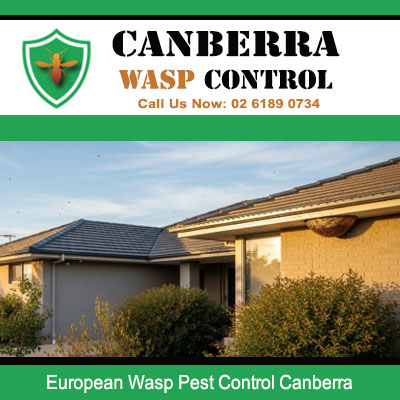
How can I make my yard less attractive to wasps?
Wasps like to build nests in sheltered spots on your property, such as trees, bushes, and garden structures. To make your yard less attractive to wasps, you should reduce their habitat and food sources. Here are some simple steps:
- Remove or trim dense bushes and overgrown plants to reduce places where wasps can build nests.
- Keep your garden clean by regularly clearing fallen fruit and dead plants.
- Seal rubbish bins tightly and take out organic waste quickly so wasps are not attracted to sugary scraps.
- Do not leave open drinks or sugary food uncovered when outside.
- Plant native flowers and shrubs that attract bees instead of wasps to keep your garden balanced.
- Remove standing water to stop wasps from gathering for a drink.
These steps will help lower wasp activity on your property and make your yard safer.
What are some natural ways to deter wasps without harming the environment?
You can use safe and natural methods to keep wasps away without hurting the environment. Try these options:
- Plant wasp-repellent plants like peppermint, eucalyptus, and citronella in your garden.
- Spray diluted vinegar or peppermint oil in places where wasps are active; this breaks their scent trails.
- Use sugar water traps to catch wasps without harmful chemicals.
- Encourage natural predators, such as certain birds, by putting up birdhouses or feeders.
- Keep a variety of plants to support a balanced insect community, which helps control wasps naturally.
These eco-friendly methods offer effective Australian wasp control while protecting your garden.
How effective are DIY wasp traps, and how can I use them correctly?
DIY wasp traps can help manage wasps if used the right way. Their success depends on the bait, where you place them, and how you maintain them:
- Good baits include sugar water, vinegar mix, beer, or fruit juice. These attract wasps into the trap.
- Put traps away from areas where people gather but near nests or places where wasps look for food.
- Check and empty traps often to stop wasps from escaping or the bait from spoiling.
- Use traps during the main wasp season, usually late spring to early autumn in Canberra.
While DIY traps work to some degree, using them together with other steps works best. For expert help and professional Canberra wasp control, contact trusted pest control services to keep your home safe.
Have you tried any natural ways to keep wasps out of your garden? Share your tips or questions below, Canberra Wasp Control is ready to help you protect your home safely.
FAQ: What’s the difference between wasps and bees?
Wasps and bees look and behave differently. Wasps have slimmer bodies with a narrow waist and smooth skin. Bees are stockier and covered in fine hairs. Wasps can sting many times and are often more aggressive. Bees usually sting once and then die. Both are important for nature but need different ways to be controlled safely.
Understanding Different Wasp Types in Canberra
Canberra has many wasp species, both native and introduced. The European wasp, also called the Australian European wasp or Canberra European wasp, is one of the most common pests. These social wasps build large nests and can be more aggressive than native wasps. Other wasps in the area include paper wasps, mud wasps, and the Asian paper wasp (Polistes chinensis).
European wasps (Vespula species) are an introduced species from Europe. This makes them different from native Australian wasps like the Australian paper wasp (Polistes humilis) and various mud wasps. Knowing these differences helps with proper pest control in Canberra.
What are the distinguishing features of European wasps versus native species?
European wasps have clear black and yellow bands that are brighter and sharper than many native wasps. They look similar to yellow jackets, which are another type of social wasp. Important features to tell them apart are:
- Colour and Markings: European wasps have bold yellow bands with solid black stripes.
- Size: They are medium-sized but appear thicker than some native wasps.
- Behaviour: European wasps are usually more aggressive when defending nests or finding food.
- Social Structure: They live in colonies with a queen, workers, and drones.
- Native Wasps: For example, the Australian paper wasp (Polistes humilis) has thinner bodies with lighter banding and is usually less aggressive.
Recognising these features helps people identify the wasps around them and understand any risks.
How do the nesting habits differ among various wasp species in the region?
Different wasp species in Canberra build their nests in certain ways and places:
- European Wasps: They build nests in wall cavities, roof spaces, and sometimes underground. They like sheltered spots near buildings made of sandstone, limestone, or masonry. Their nests can grow large in warmer months.
- Paper Wasps (including Asian paper wasps): They build smaller, open nests under eaves, branches, or bushes. Their nests look like paper umbrellas attached to trees or buildings.
- Mud Wasps: These wasps make mud nests on walls or rocks and mostly live alone, not in large groups.
Knowing where different wasps build nests helps with European wasp pest control and nest removal. If you see nests in wall cavities, under eaves, or bushes, be careful and contact a Canberra pest control expert.
What is the lifecycle of a common wasp, and how does it impact control methods?
Understanding the lifecycle of European wasps helps choose the right time to control them:
- Egg Stage: In early spring, the queen starts a new colony by laying eggs in a small nest.
- Larvae Stage: The eggs hatch into larvae, which worker wasps feed.
- Adult Stage: Workers emerge to gather food and build the nest. By late spring and summer, the colony grows fast, sometimes reaching thousands.
- Mating and New Queens: In late summer or early autumn, new queens and males are made. After mating, new queens hibernate through winter while the old colony dies.
Because European wasps are active mostly in warmer months, Canberra pest management should catch nests early before they grow large. Early action reduces aggressive behaviour and sting chances. Effective control targets young nests with safe removal done by trained experts.
Have you noticed wasp nests on your property? Contact Canberra Wasp Control for advice and safe European wasp removal services designed for local conditions. Our team knows the lifecycle, behaviour, and nesting habits of these wasps to offer the best solutions.
Frequently Asked Questions (FAQ)
What is the difference between a wasp and a bee?
Wasps have smooth, slender bodies with narrow waists and can be more aggressive. Bees are hairier to help collect pollen and are usually less aggressive. Bees also help more with pollination than most wasps.
Are European wasps dangerous?
European wasps defend their nests aggressively and can sting multiple times. Their stings may cause allergic reactions in some people. It is safer to get professional pest control help for infestations.
Can I remove wasp nests by myself?
Removing wasp nests can be risky without proper gear and knowledge. Disturbing nests can make wasps attack. It is best to hire experienced pest controllers in Canberra.
When is the best time to control wasps?
Early spring and late summer work best. In early spring, nests are small and easier to remove. Late summer has full colonies, but removing nests before new queens leave stops future problems.
We welcome you to share your questions or experiences about wasps in Canberra below. Your input helps us improve and supports the community.
Choosing a Professional Pest Control Service
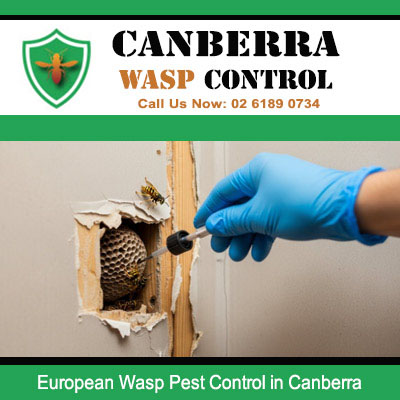
What qualifications should I be looking for in a wasp control expert?
When choosing a Canberra European wasp pest control expert, look for someone who is trained, licensed, and experienced. A reliable pest control Canberra service will have certification to show they follow safety rules during inspections and wasp removal. Important qualities include:
- Licensed and certified technicians with training in wasp control.
- Experience in handling European wasps safely and effectively.
- Knowledge of local rules and best pest control practices in Canberra.
- Use of safe methods that protect your family, pets, and the environment.
- Quick and thorough inspections to find nests and assess infestations.
- Good customer service that offers clear advice and support.
Hiring an expert European wasp exterminator Canberra trusts ensures safe removal and long-lasting results.
What are the key benefits of hiring a professional versus attempting DIY removal?
Using professional Canberra wasp control services has many benefits compared to trying DIY removal. European wasps can be aggressive, and handling them incorrectly may cause injury or make the problem worse. Benefits of hiring professionals include:
- Safety: Experts use special tools to prevent wasp stings and lower risks.
- Expertise: Trained technicians know how to find nests and choose the right treatment.
- Effective Treatment: Professionals remove nests fully and provide long-term control.
- Time-Saving: Avoid the dangers and effort of DIY when experts do the job fast.
- Prevention: Pest management Canberra services offer advice to stop wasps coming back.
- Reduced Risk: Proper treatments lower the chance of attracting more wasps or harming native animals.
For safe and effective wasp removal Canberra homeowners trust, it is best to hire a professional service.
What should I consider about the environmental impact of pest control methods when selecting a service?
When picking Canberra European wasp pest control, think about how the service affects the environment. Responsible pest control balances removing wasps while protecting nature. Look for these points:
- Use of eco-friendly, sustainable, and non-toxic products when possible.
- Preference for natural deterrents and integrated pest management to limit chemicals.
- Protection of native animals and plants to keep the ecosystem healthy.
- Methods safe for pets and children in the home.
- Following Australian pest control rules and environmental laws.
Choosing an Australian wasp control company that cares about responsible pest management helps protect Canberra’s nature while dealing with wasps well.
Have you had problems with wasps near your home? Share your experience or ask questions below, our Canberra Wasp Control experts are ready to help with safe and effective solutions.
For trusted and licensed pest control Canberra services focusing on European wasp problems, contact us today for a free inspection and advice.
What are the common signs of a European wasp infestation in Canberra?
You may see nests in walls, roof spaces, or underground. Wasps are often active near food, rubbish bins, or outdoor areas during warm months. Early pest control can help manage these issues quickly.
How can I safely control European wasps around my home or business?
The safest way is to hire professional pest control services experienced in wasp removal. Do not try to remove nests yourself, as it can be dangerous. Professionals use insecticides and methods suited for homes and businesses.
What pest control options are available for wasp problems in Canberra?
You can get nest removal, insecticide treatment, and regular check-ups from pest control services. Leading companies offer guarantees and plans that fit your wasp problems whether at home or business.
Are there differences between controlling European wasps and other insect pests in Canberra?
Yes. European wasps need special control because of their nests and risk to people. Other insect pests require general control, but wasp pest management focuses on safe and direct extermination.
Why should I consider professional pest services for wasps instead of DIY treatments?
Professional services provide safe and effective treatment with less risk to people and the environment. They also give advice on preventing wasps and offer guarantees, which DIY options usually do not have.
How do European wasp problems affect businesses in Canberra?
Wasp infestations can harm staff and customers, especially outside. Quick action with expert pest control protects your business reputation and meets health rules.
What is the role of insecticide in effective wasp pest management?
Licensed professionals use insecticides to target wasp colonies safely. They apply treatments that consider safety for humans and the environment, helping to keep wasps away for a long time.
How can I identify the presence of wasps and tell them apart from bees in Canberra?
European wasps have slim bodies with bright yellow and black stripes and can be aggressive. Bees are fuzzier and less aggressive. Knowing this helps choose the right pest control method.
Canberra European Wasp Pest Control Insights
- We offer expert European wasp pest control services throughout Canberra ACT, including Queanbeyan and Tuggeranong, to handle wasp infestations in homes, businesses, townhouses, and apartments with reliable pest management solutions.
- Our pest control for European wasps and pests like German cockroaches provides safe and effective removal of wasp nests, helping prevent buildings from becoming nesting sites.
- Knowing the different types of European wasps and their behaviours is important for safe and successful wasp nest removal, helping Canberrans, strata managers, and property owners avoid serious issues.
- We provide full Canberra insect pest control services, focusing on managing European wasps, paper wasps, and other insects to keep homes and workplaces free of pests.
- Our pest management services in Canberra are affordable and designed for both residential and commercial properties, with options for scheduling via a mobile app and access to first aid information after stings.
- We offer wasp extermination in Canberra, controlling European wasp populations and reducing wasp infestations safely and effectively.
- We tackle challenges caused by European wasp problems in places like Majura, Belconnen, Gungahlin, Jerrabomberra, and Weston, providing pest control solutions focused on prevention and long-term care.
- Pest control treatments for wasps safely remove nests while protecting residents and building users from stings and allergic reactions. We also advise to contact us in emergencies.
- Our Canberra pest services for wasps include removing hives and creating barriers to control the spread of European honey bees and other invasive pests common in Australia.
- Cooperation and access in strata and townhouse complexes are key for effective wasp control. Our experienced teams work well with multi-unit buildings and shared spaces.
- We offer clear advice on how to spot wasp nests and tell the difference between wasps and bees, including European honey bees, so Canberrans can take quick and confident action.
- Our pest control for wasps in Canberra uses safe, environment-friendly treatments that protect local wildlife and minimise impact on nearby areas.
- We respond quickly to wasp infestations in Canberra, using expert knowledge of local species and strategies to manage European wasps and reduce future problems.
- Our work on pest control European wasp includes sharing information with building occupants and the community to raise awareness about the risks and proper handling of wasp issues.
- The wasp removal Canberra service uses modern tools and methods to remove wasp nests efficiently, causing little disruption to homes and businesses. Latitude: -35.28125457023595, Longitude: 149.13061311350612