
Canberra Sand Wasp Pest Control
Protect your home and family with Canberra sand wasp pest control services that offer safe and effective removal. Our expert team handles wasp nests, including paper wasps and native species, to prevent stings and damage around your property.
Call Now!
Identifying a Sand Wasp Problem
What are the signs of sand wasp activity near my Canberra home?
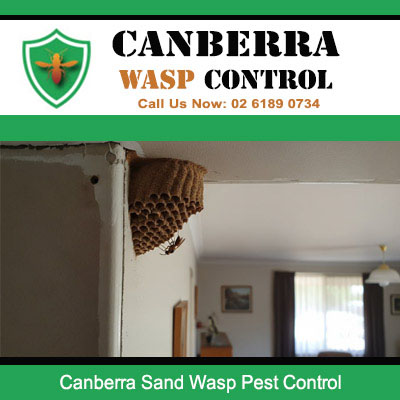
If you hear buzzing insects around your property, you may have a Canberra sand wasp problem. These wasps build open nests in sandy soil, often near gardens, lawns, or under patios. Finding a wasp nest near your home is important for safe and effective pest control.
Common signs of sand wasp activity include:
- Visible nest entrances in open sandy areas, usually about the size of a small coin
- Wasps flying in and out of these entrances regularly
- Buzzing sounds close to the ground from flying wasps
- Groups of wasps, sometimes confused with paper wasps or European wasps, but sand wasps prefer ground burrows
- Wasps showing protective behaviour around their nests
The nests vary in size depending on the colony, but usually stay hidden in the soil. Early nest detection stops large infestations and lowers the risk of stings near your home. For safe removal, contact professional Canberra sand wasp pest control services.
Are sand wasps dangerous to pets or children in my yard?
Sand wasps can be dangerous to children and pets because of their painful sting. They are usually not aggressive and sting only if threatened. However, disturbing their nests can cause them to defend themselves, which puts kids and pets at risk, especially when playing outside.
Important safety points include:
- Sand wasp stings can cause pain, swelling, and allergic reactions that might need first aid
- Children and pets might get too close to nests and get stung without knowing
- Aggression is rare but can happen if the nest is disturbed
- Always watch children and pets when they play outdoors where wasps may live
- If stung, clean the area with cold water and get medical help if allergic symptoms appear
- Call 02 6189 0734 right away in case of a severe allergic reaction
To protect your family, keep yards tidy, cover rubbish bins, and ask Wasp Control Canberra for help with wasp nest detection and removal to keep your outdoor space safe.
How can I distinguish between a sand wasp and a bee?
Knowing the difference between a sand wasp and a bee is important for identifying the insect and choosing the right control method. Though both fly and visit flowers, they have clear differences:
| Feature | Sand Wasp | Bee (e.g., European Honey Bee) |
|---|---|---|
| Appearance | Slim body with smooth skin and bright black stripes | Furry body with dull yellow and black stripes |
| Size | Small to medium-sized | Medium-sized |
| Behaviour | Mostly solitary or small groups; hunt other insects; no honey production | Live in social hives; pollinate plants; produce honey |
| Nest Type | Ground nests in sandy soil | Build hives with honeycomb in trees or buildings |
| Sound | Sharp buzzing sound | Weaker buzzing |
| Sting Risk | Can sting if provoked, sting is painful | Sting less painful; bee dies after stinging |
Unlike bees, sand wasps are hunters that catch other insects and do not collect nectar for honey. Recognising these features helps identify which insect is near your home.
What time of year are sand wasps most active in Canberra?
Sand wasps in Canberra are most active during the warmer months when the weather supports their life cycle and nesting.
Their activity pattern is:
- Spring and Summer: Highest activity with wasps building nests, feeding on nectar, and hunting insects to feed their young
- Autumn: Activity decreases as temperatures drop and nests become inactive or empty
Sand wasps like sandy areas with many flowers and loose soil for nesting. The Australian Capital Territory’s climate means wasps are mostly active from September to April.
Knowing the wasp season helps you watch for nests and plan insect pest control. Checking for nests during these months protects your family and pets better.
If you see signs of a sand wasp nest near your Canberra home, contact Canberra Wasp Control for safe and effective pest control. Have questions or want to share your experience with sand wasps? Leave a comment below to help others stay informed and protected.
Sand Wasp Nesting Habits and Habitat
Where do sand wasps typically build their nests in Canberra gardens?
Sand wasps, including the Canberra sand wasp species, usually build their nests in places that suit their habitat needs. In Canberra gardens and across the Australian Capital Territory, they prefer open areas with sandy or loose soil. Garden beds, lawns, and bare patches are common nesting spots. These wasps choose dry and well-drained soil, often near sandstone and limestone formations found in the region.
Their nests are mostly at ground level, dug into the soil to create small tunnels or cavities. Sand wasps may also use cracks and crevices in rocks, caves, or spaces under eaves and shrubs to protect their nests from predators and weather. These nesting sites provide a safe environment for their development. Knowing where sand wasps build nests can help homeowners find problem areas and apply Canberra sand wasp pest control effectively.
What is the typical size and structure of a sand wasp nest?
Sand wasp nests differ from those of other wasps like paper wasps or mud dauber wasps. Their nests are simple and solid, usually an oval or cylindrical chamber underground. Unlike honeycomb or beehive structures made by bees, sand wasps dig tunnels or small chambers in the soil to hold their larvae.
The nest looks like a small hole in the ground, often hard to spot among garden soil or sandy areas. Inside, the nest offers a dry and safe place for the wasp to lay eggs and keep prey for the larvae. This basic but effective design supports the wasp’s lifecycle from egg to adult. Recognising this nest type helps identify sand wasp activity in Canberra gardens and check how many nests there are.
Do sand wasps reuse their nests year after year?
Sand wasps usually do not reuse the same nests each year. Their lifecycle and nesting habits mean they build new nests every breeding season. After the larvae grow and become adults, the original nest is left or breaks down naturally. Unlike some social wasps that keep and reuse nests, sand wasps return to the same area but dig fresh nests annually.
This behaviour means sand wasps overwinter as adults or in different stages depending on the species, and look for good soil each season. Knowing this helps with pest control because empty nests one year might be replaced by new nests later. Controlling sand wasp numbers requires watching their seasonal habits and nesting in the Canberra region.
What type of soil conditions do sand wasps prefer for nesting?
Soil conditions are very important for sand wasps when choosing where to build nests. They like sandy, loose soil that is easy to dig and drains well. In Canberra and nearby areas, sandy soils near limestone and sandstone are especially preferred. The soil should be firm enough to keep the nest shape but loose enough to dig easily.
Dry soil stops nests from flooding and helps larvae grow well. Gardens with clay or compacted soil are less likely to have sand wasp nests because digging is difficult. Knowing what soil these wasps like helps gardeners spot possible nests early and apply targeted Canberra sand wasp pest control.
If you see sand wasp activity in your garden or need help, contact Canberra Wasp Control. Our team has experience dealing with wasp pests safely, especially around children and pets. Call us today for a free quote and protect your garden.
Have questions about sand wasps or want advice on prevention? Leave a comment below or contact our expert, we are ready to assist.
Our Approach to Sand Wasp Control
How does Canberra Wasp Control effectively manage sand wasp populations?
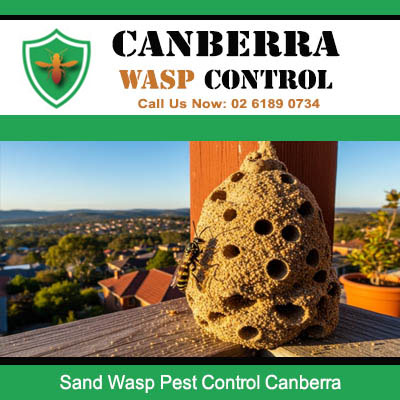
Managing sand wasp populations starts with knowing their lifecycle, habitat, and behaviour. Canberra Wasp Control specialises in effective wasp control with strategies designed for the Australian environment. We begin with a detailed inspection to find signs of infestation, locate nests, and understand the pest problem.
Sand wasps build nests in sandy or loose soil, creating a habitat that supports their lifecycle. By checking these areas carefully, our pest management team can spot infestations early and act before the population grows. We use targeted insect pest control methods to manage sand wasp colonies while reducing harm to other species and the environment.
Our experts safely remove wasp nests and apply prevention steps to keep control long term. We focus on stopping the wasps’ lifecycle with treatments that make it hard for new nests to form. This full pest control approach gives homes and businesses in Canberra and Queanbeyan peace of mind by protecting families, pets, and property from wasp risks.
What eco-friendly solutions do you offer for sand wasp removal?
Canberra Wasp Control offers eco-friendly sand wasp removal services that put safety and the environment first. Our pest removal uses natural repellents, organic pesticides, and habitat care to reduce sand wasp numbers without harming the Australian environment.
We use eco-friendly products that control wasps and are safe for children, pets, and helpful insects. Natural repellents stop wasps from nesting near homes and gardens by changing their preferred habitat. When extermination is needed, we use organic pesticides that break down fast without leaving harmful chemicals.
Our pest control methods support growing concerns about chemical use by making pest management in Canberra both effective and safe. Protecting your home does not mean risking safety. We offer solutions that fit today’s pest control needs.
How long does a typical sand wasp treatment take to complete?
The time needed for sand wasp treatment depends on how big the infestation is, where nests are, and the treatment used. Usually, a full inspection and treatment by Canberra pest control can be done within 1 to 3 hours.
Our exterminators do a quick but thorough inspection to check the problem. Then, we apply the wasp pest control treatment safely and efficiently for the best results. We aim to provide a service that is both fast and detailed. This reduces disruption to your day while solving the pest issue well.
For large infestations or several nest removals, extra visits may be needed as part of ongoing pest management. We explain the expected time frames and any follow-ups clearly so you know what to expect.
Do you provide guarantees on your sand wasp control services in Canberra?
Yes, Canberra Wasp Control guarantees the quality and reliability of our sand wasp control services. We offer warranties to ensure customer satisfaction and peace of mind. Our professional pest exterminators provide trusted, effective pest control backed by a service guarantee.
If you have problems after our treatment, we respond quickly with re-inspections and, if needed, follow-up work at no extra cost. This shows our confidence in using proven pest control methods and our commitment to good customer service.
When you choose a trusted pest control company, you get professional help from the first inspection to successful sand wasp nest removal and prevention. Contact us today for a free inspection and see why many Canberra homes trust us for their wasp pest control needs.
Preventing Sand Wasp Infestations
What can I do to make my Canberra property less attractive to sand wasps?
Sand wasps are common pests in Canberra that are attracted to certain habitats and conditions. To lower the chance of sand wasps nesting on your property, it is important to manage these factors well. Sand wasps prefer loose, sandy soil for making nests. They often nest in gardens, under shrubs, and around trees where they can easily find cracks and crevices.
Here are some simple tips to make your property less attractive to sand wasps:
- Maintain soil conditions: Keep soil firm and moist when possible, as dry, sandy soil encourages nesting.
- Manage garden plants: Avoid having thick shrubs or overgrown areas close to your home that may provide shelter.
- Seal entry points: Look for and close any cracks and crevices around your property where wasps could enter or build nests.
- Limit food sources: Sand wasps are attracted to sugary things in flowers and outdoor food waste. Clean up fallen fruit, food scraps, and avoid leaving sugary drinks outside.
- Encourage natural predators: Birds and other insects help control sand wasp numbers. Supporting a balanced local ecosystem helps reduce pests naturally.
By managing these factors, you can make your property less inviting to sand wasps and protect your family and home.
Are there natural repellents that deter sand wasps?
Natural repellents offer a safe and eco-friendly way to keep sand wasps away without harming helpful insects like bees. Several natural substances work well to protect plants and outdoor spaces from sand wasps.
Try these natural repellents:
- Essential oils: Oils such as peppermint, citronella, and eucalyptus can be mixed with water and sprayed around your garden to keep sand wasps away.
- Balm and beeswax mixtures: Balms made with beeswax and natural repellents can protect plants and outdoor furniture from insect activity.
- Plant natural deterrents: Plants like citronella grass and marigolds naturally repel wasps and other unwanted insects.
- Avoid chemical pesticides: Use eco-friendly sprays that are safe for pets, children, and helpful garden insects.
Using these natural repellents along with good habitat management helps prevent sand wasp infestations in a safe way.
How can I protect my family from sand wasp stings?
Sand wasp stings can cause pain and sometimes allergic reactions, especially in children and pets. Keeping your family safe means preventing stings and knowing how to respond if one happens.
Here are ways to protect your family:
- Teach family members: Help children understand not to disturb wasps or their nests and to watch for warning signs.
- Wear protective clothing: When outside, wear long sleeves, pants, and closed shoes to reduce exposed skin.
- Keep pets safe: Watch your pets when they are outside and keep them away from places with wasp activity.
- Know first aid: Clean sting sites, apply a cold pack, and use antihistamines if needed. Call medical help immediately for severe reactions.
- Emergency plan: Be ready to call 02 6189 0734 if someone has trouble breathing or swelling after a sting.
Following these steps will help keep your family safe from the risks of sand wasp stings.
How often should I have my property inspected for sand wasps?
Regular checks are important to find sand wasps early and manage them well. Pest control experts in Canberra suggest inspecting your property based on the wasps’ active seasons and risk levels.
Here are inspection tips:
- Frequency: Have inspections at least twice yearly, ideally in spring and late summer when sand wasps are most active.
- Professional inspections: Trained pest control professionals can spot early signs of nests and risky spots near your home.
- Ongoing monitoring: After inspection, keep an eye on places like garden beds, loose soil patches, and sheltered areas around trees and shrubs.
- Quick action: Finding nests early allows for safe removal and stops bigger infestations.
Using professional Canberra pest services helps keep your property safe with regular inspections and timely treatment.
If you are worried about sand wasps on your property, contact Canberra Wasp Control for a free quote and expert advice on how to prevent and manage them. Protect your family and enjoy your outdoor areas with confidence.
Have questions about sand wasps or pest control? Leave a comment below or contact us, we are here to help!
The Benefits of Professional Sand Wasp Removal

Why is professional sand wasp removal preferred over DIY methods?
Dealing with wasps, especially sand wasps, can be dangerous without proper knowledge and tools. Many people try DIY pest control, but professional sand wasp pest control is safer and more effective. Handling wasp nests without the right skills increases the chance of getting stung, which can cause pain and allergic reactions. Professionals have the expertise and use safe chemicals to remove wasp nests thoroughly while keeping you and your family safe.
A professional inspection finds the full extent of the infestation, including hidden nests. Trained pest management experts understand wasp behaviour and apply treatments that reduce aggression from the insects. This targeted approach protects your property and provides lasting results by preventing wasps from coming back. Choosing professional removal means choosing safety, effectiveness, and peace of mind.
How does removing sand wasps contribute to a safer outdoor environment?
Sand wasps can be dangerous, especially for children and pets who are more likely to get stung. Removing these pests creates a safer outdoor space where families can enjoy gardens or yards without concern. Effective pest control in Canberra focuses on destroying nests and removing the habitat that supports sand wasp populations.
Reducing the risk of stings helps protect your family and makes outdoor areas safer. Pest management not only removes current threats but also stops future infestations. This helps keep your outdoor environment balanced and safe for everyone.
What are the long-term benefits of effective pest management for sand wasps?
Long-term pest management offers many benefits beyond immediate removal. Proper pest control lowers the chance of wasps returning by breaking their lifecycle and removing nests quickly. Regular pest removal and habitat control protect your property over time.
Effective pest management is also eco-friendly when done responsibly, protecting local wildlife and the environment while keeping your home safe. It can save money by avoiding expensive damage and emergency pest control. Most importantly, it keeps your home safe and comfortable for your family and pets all year round.
How quickly can you respond to a sand wasp infestation in the Canberra area?
In the Australian Capital Territory, fast action is key to dealing with sand wasp infestations. Canberra pest control companies offer quick response times, often scheduling inspections and wasp removal within 24 to 48 hours. Emergency pest extermination helps reduce risks like stings and property damage quickly.
Customer service is a priority, providing expert advice and fast action so your home becomes safe without delay. Whether you find one nest or signs of a larger infestation, trusted Canberra sand wasp pest control teams act quickly and professionally. Don’t wait for the problem to get worse, contact local experts right away for reliable pest control.
Have you had problems with wasps in your garden? Share your story or ask questions below. We are here to help you protect your home and family safely. For expert sand wasp removal in Canberra, call today for a free inspection and pest management plan.
What types of wasps are commonly found around homes, and how do they differ?
Common wasps near Canberra include mud dauber wasps, yellow jackets (Vespula), European wasps, and social wasps. Mud dauber wasps build nests in places like caves or eaves and are less aggressive. Yellow jackets and European wasps have striped abdomens and can sting aggressively. Knowing these differences helps with proper pest wasp control.
Where do wasps usually build nests, and how can I identify them?
Wasps build nests under eaves, in shrubs, wall cavities, or caves. Asian paper wasps make solid, umbrella-shaped nests under roof edges. Nest entrances are small holes near masonry or wood. If you see large papery nests or swarms, call for professional wasp nest removal.
Are wasps dangerous to children and pets, and what precautions should be taken?
Yes, wasps can sting painfully and act aggressively, especially during spring and summer. Children and pets are at risk of stings and allergic reactions. Keep bins sealed, avoid leaving sweet drinks outside, and get prompt pest wasp control if nests are nearby.
How does professional pest control handle infestations of wasps, rodents, and other pests in Canberra suburbs?
Exterminators use targeted pesticides and pest management to remove wasps, rats, ticks, bed bugs, cockroaches, ants, and termites. They focus on safe methods that protect families and pets. Emergency services and ongoing rodent control programs are available for areas like Queanbeyan and Molonglo Creek.
What makes Canberra’s pest problems different from other regions like Hobart or Melbourne?
Canberra and nearby suburbs face pests like European wasps, hornets, and native species that nest in local plants and masonry. The dry climate makes wasps more aggressive as they search for water and sweet food. This is different from wetter places like Hobart.
How quickly do wasp swarms spread, and when is the best time for nest removal?
Wasp numbers grow fast in spring and early summer. Early detection is important because large nests are more aggressive. It is safest to remove nests during cooler times or seasons before the swarm reaches its peak.
Can wasp problems be confused with termite or rodent damage, and how can professionals tell the difference?
Yes, damage to wood can look similar. Termites tunnel inside wood, rodents gnaw on outer parts and nest in eaves, while wasps build papery nests outside. Pest experts check droppings, exit holes, and nest materials to identify the right pest and treatment.
What steps can homeowners take to prevent future wasp and rodent infestations?
- Seal cracks in walls
- Keep bins closed tightly
- Trim shrubs near buildings
- Store pet food indoors
- Regular inspections and timely pest control
- Professional services for customised plans in Canberra
Canberra Sand Wasp Pest Control Insights
- We offer expert Canberran pest control services, covering Canberra ACT and nearby suburbs. We handle a wide range of pests, including yellow jacket, vespula, mud dauber wasp, Asian paper wasp, cockroach, bed bugs, termites, ticks, rats, mice, possums, and flies.
- Wasps such as polistes chinensis (Asian paper wasp), polistes humilis, and vespula can be aggressive. They build nests in cracks and crevices around homes. We specialise in removing and preventing these nests to protect your family.
- Wasp nests have distinct features like black stripes, yellow markings, honeycomb shapes, and mud mortar entrances. These are often found in spring near flowers, fruit, sugary drinks, and bins that attract them.
- Our pest control methods manage both native and introduced species. We reduce infestations of bees, wasps, spiders, cockroaches, termites, and rodents while keeping the natural balance.
- We inspect common access points like cavities, cracks, bins, and flower gardens. These areas often allow ticks, cockroaches, and other pests to enter homes in Weston Creek, Queanbeyan, and greater Canberra.
- Knowing pest appearance and habits helps with control. For example, yellow jackets and vespula are aggressive feeders and expand colonies quickly. Early action prevents dangerous stings to families and pets.
- We provide eco-friendly pest management using modern techniques. This offers effective control of spiders, bees, wasps, rodents, and termites with lasting results.
- Our team handles tough infestations, including bed bugs and termites. We use thorough inspections and treatments to protect homes and businesses in Canberra and beyond.
- Learn more about identifying and managing pests in our guides. Find tips on spotting wasp nests near your home, signs of rodents, and ways to attract helpful wildlife while keeping pests away.
- For multiple pests like rodents, cockroaches, flies, and wasps, integrated pest management gives full control. This is especially important around bins, flower beds, and building entry points.
- Hiring professional pest control in Canberra ensures fast response. This prevents building damage, lowers health risks from bites and allergies, and gives peace of mind to property owners.
- Contact us today for a free quote. We will help you take back your home or workplace from pests with expert advice, certified treatment, and ongoing support tailored to your location. Latitude: -35.28125457023595, Longitude: 149.13061311350612