
Canberra Mud Dauber Wasp Pest Control
Protect your home with Canberra mud dauber wasp pest control services, specializing in safe and effective nest removal. Our team manages mud dauber wasps, paper wasps, and other nests to reduce risks and ensure a pest-free environment in the Australian Capital Territory.
Call Now!
Identifying Mud Dauber Habitats
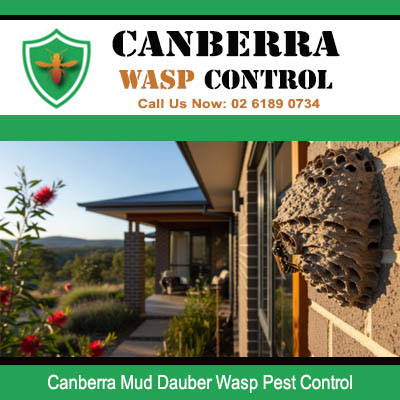
What are the common nesting sites for mud daubers in Canberra?
Mud dauber wasps, also called sceliphron or mud wasps, like to build nests in sheltered, quiet places. In Canberra, they often choose wall cavities, ceiling voids, and spaces under eaves of buildings. Their nests are made from mud or clay, packed tightly to make a safe home. You might find mud dauber nests attached to sandstone walls, mortar joints, or other building materials that offer a strong surface. These wasps prefer places that protect them from predators and weather, such as hollow walls or small cavities. If you see clusters of tube-like nests made from dried mud, you are likely seeing mud dauber habitat. Finding these nests early can help stop infestations and damage to your property.
How to inspect your property for potential nesting locations?
Checking your property often is important to find mud dauber nests before they cause problems. When inspecting your premises, carefully look at cracks, voids, and crevices in walls, ceilings, and under eaves. Pay attention to window frames and gaps around the building where mud dauber wasps may enter or build nests. Look for clear signs like fresh mud or wasps flying in and out of some spots. Some nests may hide in less obvious places, so use a flashlight to check dark voids and cavities. Early detection through careful inspection helps manage mud dauber activity effectively.
Why do mud daubers choose specific areas to construct their nests?
Mud dauber wasps pick certain habitats for several reasons. They look for sheltered and safe spots that are warm and protect them from predators. The nearby presence of mud or clay is important since these materials build their nests. Moisture also matters because wasps prefer places where mud stays soft enough to shape. They also choose spots close to food sources and where there is little disturbance. Knowing that mud daubers like warm, sheltered, and quiet places helps homeowners identify and avoid likely nesting sites.
Effective Mud Dauber Control Strategies
What are the eco-friendly approaches to deterring mud daubers?
Eco-friendly control focuses on prevention using natural methods instead of harmful chemicals. One effective way is changing the habitat—seal cracks, remove mud sources, and lower moisture to stop wasps from building nests. Using natural repellents such as essential oils like peppermint or citronella can safely keep wasps away. Encouraging natural predators in your garden, such as birds or spiders, can help reduce mud dauber numbers. These environment-safe methods reduce risk to people, pets, and wildlife while keeping nature balanced. Regular habitat care and removing attractants are important for long-term mud dauber control.
How do professional control services eliminate dauber nests?
Professional pest control experts use special tools and treatments to remove mud dauber nests safely. Canberra pest control technicians apply insecticidal treatments that kill wasp colonies without harming the environment. The process includes a detailed inspection followed by careful nest removal or destruction. Experts use protective gear and follow safety rules to avoid stings or harmful exposure. Hiring professionals ensures fast and effective mud dauber control with advice for ongoing pest management. This service provides reliable results and peace of mind.
When is the right time to implement control measures for mud daubers?
Timing matters when controlling mud daubers. The best time to start control is in spring and early summer, when mud daubers are active and building nests. Detecting nests early during this time helps control the population before nests grow large. Taking action before or during the start of nesting stops infestations and reduces the chance of many generations living on your property. Checking regularly during the warmer months allows quick response and helps keep your home free of wasps all year. Knowing their seasonal habits supports effective and timely nest removal.
Understanding the Mud Dauber Life Cycle
Mud dauber wasps have an interesting life cycle that is important for their growth and survival. These solitary wasps build protective nests from mud, called cells. Each cell holds an egg laid by the adult female wasp. When the egg hatches, the larvae feed on paralyzed insects provided by the mother before turning into pupae and then emerging as adults. The full life cycle includes the stages of egg, larvae, pupae, and adult.
Mud dauber nests are usually found in sheltered places like under roof eaves, inside garden sheds, or in sandstone cracks. These safe habitats protect the developing wasps during their life cycle. Knowing about this cycle helps in identifying the best time and way to control wasps and remove nests in Canberra.
What is the life cycle of mud dauber in Canberra?
In Canberra, the mud dauber life cycle follows the same stages but is affected by local climate. Adult mud dauber wasps look for sheltered locations such as walls or roof eaves to build mud nests with many cells. Each cell contains one egg.
The larvae grow inside these cells by feeding on paralyzed prey brought by the adult wasp. After the larval stage, they become pupae inside the same cell. Mature adult wasps then emerge to continue the cycle.
Because Canberra has seasonal weather, mud dauber activity is highest during warm months when nesting and development conditions are good. Understanding these stages and timing helps with effective wasp nest removal in Canberra homes and businesses.
How does the environment impact mud dauber development?
Several environmental factors affect how mud dauber wasps develop and survive:
- Temperature: Warm weather speeds up egg and larva growth, while cold slows it down.
- Moisture: Enough moisture is needed to build mud nests; too little or too much can harm them.
- Shelter: Protected spots like garden sheds, roof eaves, or sandstone crevices provide good nesting habitats.
- Nesting materials: The availability of suitable mud or clay affects how well wasps can build secure cells.
Changes in weather and environment can delay or interrupt the life cycle. These factors should be kept in mind when planning wasp control in Canberra to get lasting results.
What are the factors affecting mud dauber population?
The mud dauber population in Canberra depends on several natural and environmental factors, such as:
- Predators: Birds and other insects eat larvae or adult wasps, reducing their numbers.
- Habitat availability: Urban development can reduce places suitable for nesting.
- Food sources: The number of prey insects affects mud dauber reproduction and survival.
- Climate: Seasonal changes in temperature and rainfall influence breeding and population size.
- Invasive species: Competition or threats from non-native wasps can change native mud dauber populations.
Knowing these factors helps in managing wasp populations and protecting property safely.
Distinguishing Mud Daubers from Other Wasps
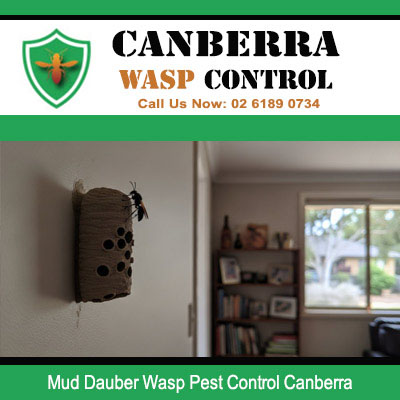
It is important to tell mud dauber wasps apart from other wasp species to manage any risks properly. Mud daubers belong to groups like Sceliphron and can be told apart from social wasps like paper wasps (Polistes humilis) by their shape, behaviour, and nests.
Mud daubers are solitary wasps with thin bodies and long legs. Their nests are made of small mud cells, unlike the large papery nests built by social wasps. Recognising these differences helps pick the right control methods.
How do you identify mud daubers compared to social wasps?
- Appearance: Mud daubers have slim, long bodies with black or metallic blue colour. Social wasps tend to be thicker and often brightly coloured.
- Nests: Mud daubers build small, compact mud nests with separate cells. Social wasps make bigger open paper nests with many layers.
- Behaviour: Mud daubers are solitary and less likely to sting. They spend most time building nests and catching prey. Social wasps live in colonies and defend their nests strongly.
- Location: Mud daubers build nests under eaves, on walls, and inside cavities. Social wasps build nests in trees, shrubs, or more open places.
Correct identification lets you focus on the right nest removal approach.
Why are mud daubers considered less aggressive than other wasp species?
Mud dauber wasps are less aggressive because they live alone and do not protect a colony. Their sting is mild and mainly used for hunting, not defence. Unlike social wasps, mud daubers rarely sting unless provoked or handled roughly.
This makes them less dangerous to people. Still, it is best to avoid disturbing their nests to prevent any stings.
Where can you find mud daubers in Canberra?
In Canberra, mud dauber wasps usually build their nests in sheltered spots around properties such as:
- Under roof eaves and verandahs
- Inside garden sheds or garages
- On outside walls and window frames
- In cracks or cavities in sandstone or masonry
- Among thick shrubs and garden plants
These places offer protection from weather and predators, helping wasps complete their life cycle safely. Recognising common nesting sites helps with prompt nest removal and prevention.
If you have seen mud dauber nests or want professional help with wasp control in Canberra, contact our experts. Keep your home or business safe with reliable services.
Preventing Mud Dauber Infestations
How do you seal potential entry points to prevent dauber nesting?
Preventing mud dauber nests starts by sealing all possible entry points around your home or building. These wasps often build nests in cracks, crevices, and sheltered wall cavities found in eaves or other protected areas. By inspecting your property carefully and sealing these access points, you reduce the chance of wasps nesting on your premises.
Use good-quality caulking or weatherproof sealants to close gaps around windows, doors, vents, and pipes. Check for any damage or wear in walls and eaves that could shelter mud dauber nests. Sealing entry points is an important step in Canberra mud dauber pest control because it limits wasp access and supports ongoing pest management.
What property maintenance helps discourage mud daubers?
Keeping your property clean and well-maintained helps stop mud dauber wasps from nesting nearby. Mud daubers are attracted to areas with materials like mud, so removing rubbish, garden debris, and extra mulch reduces good nesting spots. Regular pruning of shrubs and trees also limits sheltered places where these pests can hide or build nests.
Managing moisture in your garden discourages mud daubers because they need water to build nests. Make sure your garden drains well and avoid overwatering plants near buildings. Good hygiene in outdoor areas supports eco-friendly pest control and lowers the chance of infestations.
Regular inspections as part of property maintenance help catch early signs of mud daubers. Combining cleanliness with expert advice offers the best defence in Canberra mud dauber pest control.
When should you contact Canberra pest experts for advice?
Contacting Canberra pest experts quickly is important if you suspect a mud dauber infestation or see wasp nests on your property. Early detection through professional inspection lowers the risk of wasp stings and damage. Expert advice offers the safest and most effective wasp pest control Canberra can provide.
If you notice repeated mud dauber nesting or want full protection, professional services give pest management solutions made for your situation. Wasp nest removal by trained experts lowers health risks and stops reinfestation. Acting immediately with expert help saves time and ensures safe, effective treatments.
Get in touch with Canberra Wasp Control for a full inspection and prompt mud dauber control. Our skilled team understands the challenges of pest control in Canberra and offers trusted professional help. Protect your home or business today with our expert pest removal Canberra services.
A Step-by-Step Guide for Mud Dauber Nest Removal
How do professionals safely remove mud dauber nests?
Professional mud dauber nest removal focuses on safety, skill, and effective treatment. Trained pest control experts wear protective clothing to stop wasp stings and allergic reactions during removal. They use insecticidal treatments that target the wasps and their nests without harming the environment.
The process includes careful inspection, treatment, and safe disposal of nests to avoid property damage. Experts choose the right timing—often when wasps are less active to reduce risk. This approach ensures full removal and lowers the chance of reinfestation.
What tools and equipment are required for effective nest removal?
Effective mud dauber nest removal needs special tools and safety gear. Pest control professionals use:
- Protective clothing such as gloves, masks, and long sleeves
- Insecticides made for wasp control
- Sprayers and brushes to apply treatments
- Ladders and inspection tools to reach nests
- Sealants and disposal bags for safe nest removal
These tools help handle wasps and chemicals safely, reducing health risks during removal. Using professional pest control equipment is key to avoid dust and improve treatment results. Canberra insect removal experts rely on this equipment for thorough pest extermination.
Why avoid attempting nest removal without expertise?
Trying to remove mud dauber nests without the right skills is risky. Wasps may become aggressive and sting, causing pain, allergic reactions, or injury. Without proper protective gear and techniques, people risk harm and may not remove nests completely.
Wrong removal often leads to nests returning, wasting time and money on ineffective DIY attempts. Not knowing wasp behaviour or how to use insecticides safely puts you and others in danger. Professional control services have the knowledge and training to handle these risks.
Canberra pest control experts focus on safety, using proven methods and equipment to protect you and your property. Avoid danger and get expert help for quick and safe mud dauber nest removal.
Do you have questions about preventing mud dauber wasps or need advice on wasp nest removal? Contact Canberra Wasp Control for a free consultation or share your thoughts in the comments below. Your safety comes first.
Addressing Concerns About Wasps in Canberra
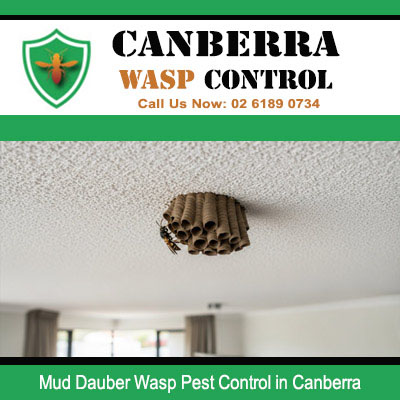
What are the health risks associated with wasps?
Wasps can cause serious health issues because of their painful stings. When a person or pet is stung, the area may swell, turn red, and hurt sharply. Some people have allergic reactions that can be severe or even life-threatening and need immediate medical care. Signs of an allergic reaction include trouble breathing, dizziness, and swelling that spreads beyond the sting site. Children and pets are especially at risk from the venom wasps inject. Wasps can also act aggressively, especially if their nest is disturbed, which increases the chance of being stung multiple times. Acting quickly and using professional wasp control helps reduce these dangers and keeps your home or business safe.
How do you treat wasp stings effectively?
To treat wasp stings well, start with first aid. Clean the sting area with soap and water right away to prevent infection. Apply an ice pack to reduce swelling and pain. Taking an over-the-counter antihistamine can help ease itching and inflammation. Watch closely for signs of an allergic reaction like difficulty breathing or swelling that spreads. If this happens, seek emergency medical help immediately. For mild stings, pain relief medicine and careful wound care usually work. If symptoms get worse or last longer, see a doctor for proper treatment. Knowing how to act fast can stop complications and help you recover more quickly.
What measures can be taken to reduce the chance of stings?
You can lower the chance of wasp stings by following some simple steps. Seal any gaps or entry points around your home to stop wasps from building nests inside or nearby. Keep your property clean and well-maintained to reduce places where wasps can nest or find food, like sugary drinks, rubbish, and uncovered food. Wear protective clothing when outside, especially near places where wasps may live. Stay a safe distance from wasp nests and avoid quick movements that might upset them. The safest way to remove active nests is by hiring professional pest control services. Staying alert and cautious along with regular pest management will greatly reduce your chance of being stung.
The Role of Pest Management in Protecting Canberra Homes
How do comprehensive pest management plans address wasps?
Pest management plans use a clear approach to control wasps. They begin with detailed inspections and regular checks to find nests and watch wasp activity. Targeted treatments, often using insecticides suited for the species, are applied to safely get rid of nests. These plans follow integrated pest management (IPM) methods that focus on eco-friendly and sustainable ways to protect your property and the environment. Professional wasp control includes expert nest removal that lowers risks and stops wasps from returning. Canberra pest services offer dependable insect control, including termite and rodent control, providing full protection for your home.
What are the benefits of regular pest control services?
Using regular pest control services has many benefits for homes and businesses. Preventative treatments stop infestations before they grow, saving you time and money. Early discovery allows experts to fix problems quickly, helping maintain your property longer. Expert wasp control removes nests safely and effectively without risking health or damaging your home. Ongoing pest management gives you peace of mind by protecting your home all year round. Regular care also helps keep your property in good condition and maintains its value. Choosing Canberra pest management means getting skilled professionals who provide expert pest removal and solutions fit for local conditions.
Why choose local services for wasp issues in Canberra?
Picking local Canberra services for wasp problems has clear advantages. Local experts know the types of wasps in the area and how they behave, allowing them to identify and treat the problem correctly. They respond quickly to urgent cases, reducing health and safety risks. Licensed and experienced pest controllers follow strict industry rules and use safe, trusted methods. Local services offer solutions designed for your specific property to ensure effective control and prevention. Supporting local businesses builds community trust and accountability. Canberra wasp control specialists combine knowledge with customer care, making them the best choice for insect removal and ongoing pest management in the ACT.
Have you had problems with wasps lately? Share your experience or questions below for advice from our expert team. For professional wasp nest removal and safer homes in Canberra, contact us today.
Recognizing Signs of a Wasp Infestation
Wasps can quickly become a serious nuisance and health risk on your property. Knowing how to spot the signs of a wasp infestation is important for effective wasp control Canberra that homeowners and businesses need. If you notice more wasps around your premises, it could mean there is a hive or nests nearby.
What are the common indicators of a wasp presence?
Common signs of wasps in Canberra include seeing wasps flying often, especially near food or shady areas. You might hear a constant buzzing noise that shows wasps are close. Seeing visible nests or hives on your property, usually under eaves, in roof spaces, trees, or wall cavities, is a clear warning.
Wasps like social wasps, paper wasps, and mud dauber wasps build nests from mud or papery material. Aggressive behaviour or more wasp stings on people or pets is another strong sign of an infestation needing quick action.
pest removal Canberra experts to handle the problem safely.
How can you identify different types of wasps based on nests?
Different wasp species in Canberra make unique nests, which can help you know what type of wasp is present:
- Paper Wasps (Polistes humilis, polistes chinensis, polistes dominula): These wasps build umbrella-shaped nests from papery materials. The nests are open and often found under roof eaves or tree branches.
- Mud Dauber Wasps (Sceliphron species): Also called mud wasps, they build small mud nests shaped like tubes on walls or under shelters.
- European Wasps (Vespula germanica): These wasps make large, enclosed nests like honeycombs, usually hidden in hollow trees or wall gaps.
Each nest differs in size, texture, and location from open and papery to closed and mud-covered. Knowing the nest type helps with targeted wasp removal Canberra, making control safer and more efficient.
Why timely detection is essential for successful pest control?
Finding a wasp infestation early is key for effective wasp pest control Canberra. Quick detection lets experts inspect and treat the area before the problem grows.
If a wasp infestation goes unnoticed, the risk of stings and possible allergic reaction increases. Some stings can need medical treatment (source: Australian Society of Clinical Immunology and Allergy). Early detection reduces wasp numbers, stops swarm attacks, and limits property damage.
Professional Canberra pest control teams stress fast action to keep people safe and protect homes and businesses. Acting quickly means better treatment results, lower costs, and fewer health risks. Regular pest inspections can protect your property all wasp season long.
Preparing Your Home for Wasp Season
Stopping wasp infestations begins well before you see any wasps. Getting your home ready in the off-season can greatly lower the chances of wasps nesting on your property. Homeowners in Canberra benefit from proven wasp control Canberra methods focused on prevention.
What steps can homeowners take to protect properties?
To keep your home safe from Canberra wasps:
- Check your property often for cracks, holes, and gaps where wasps might enter or build nests. Seal these spots quickly.
- Keep the area clean by removing rubbish, food scraps, and standing water that attract wasps.
- Clear leaves, wood piles, and other debris that offer shelter to wasps.
- Use fine mesh screens on windows and doors to block wasps from getting inside.
- Look at sheds, garages, and outdoor air conditioners regularly for early signs of nests.
- Keep gardens neat by trimming shrubs and trees near your house to reduce nesting places.
Taking these steps helps avoid costly and dangerous infestations that need professional wasp removal later.
How does weather influence wasp activity?
Wasps in Canberra are most active in spring and summer when the temperature is higher. Warm weather encourages them to breed, search for food, and build nests. Higher humidity and rain can change their nesting habits, as some wasps look for dry places during wet weather.
Temperature affects how active wasps are and how long they live. Mild, warm weather makes wasps stay active longer. Cold weather lowers their activity and life span.
Knowing these seasonal changes helps both homeowners and Canberra pest services plan when to check, treat, and prevent wasp problems for the best results.
Why consider proactive steps against wasps?
Taking early action against wasps lowers the chance of infestations and reduces health risks like allergic reactions to stings. Starting control early supports ongoing wasp pest management Canberra, keeping homes and workplaces safer.
Experts suggest regular checks and upkeep as part of a pest management plan. This cuts down wasp numbers before nests form, reduces attacks, and keeps your property safe from damage.
Using professional mud dauber wasp pest control and other wasp prevention services gives peace of mind by protecting families, staff, and visitors. Staying ahead of wasps means fewer problems and a safer space all year.
If you think your property has a wasp infestation, contact our expert team today for a full inspection and safe, effective wasp nest removal. Share your questions or experiences below to get helpful advice for Canberra residents.
What types of wasps are common in Canberra and surrounding areas?
In Canberra and nearby places like Queanbeyan, common wasps include mud dauber wasps, paper wasps, European paper wasps, and the aggressive European wasp (Vespula germanica). Each type has different nesting habits and behaviour, which affects how to control them safely.
How can I safely remove mud dauber and paper wasp nests from my property?
It is best to hire a professional to remove mud dauber and paper wasp nests. Experts use safe treatments to get rid of nests found in attics, gardens, or around homes. Doing it yourself can be risky and may not fully remove the nests.
What are the risks associated with aggressive wasps like European paper wasps or yellow jackets?
Aggressive wasps such as European paper wasps and yellow jackets defend their nests strongly and can sting many times. Their stings can be dangerous, especially for people allergic to wasp venom. Quick professional help can reduce the risk of wasp stings.
How does wasp control help protect beehives and local pollinators?
Controlling invasive wasps like the European wasp helps protect honeybee hives by reducing attacks on bees. Good wasp management supports local pollinators and keeps the natural balance in the area.
Can wasp nests be found in unusual places like limestone structures or rubbish areas?
Yes, mud wasps and other wasps can build nests in places like limestone cracks, attics, or near rubbish. Finding and treating these nests early helps stop their spread and lowers the chance of getting stung.
What are the benefits of professional wasp control services in the Australian Capital Territory?
Professional pest controllers provide fast and reliable wasp removal using approved methods suitable for the local climate. They keep your family, pets, and home safe with minimal disruption throughout the year.
Do hornets and mud daubers require different control methods?
Yes, hornets and mud daubers behave and live differently. Pest experts identify the species first and then choose the right treatment to control mud dauber nests or hornet problems effectively and safely.
How can I prevent wasp infestations from returning after treatment?
To keep wasps away, clean up food sources such as honey and rubbish, seal holes in walls and attics, and have regular checks. Following professional advice will help you manage wasps long-term around your home.
Canberra Mud Dauber Wasp Pest Control Insights
- Mud dauber pest control Canberra needs focused methods to manage these slender, solitary wasps that build mud nests near creeks and suburban homes. Professional removal helps protect structures and lowers risks from swarming workers.
- Mud daubers come from several genera and are predatory insects. They are different from social wasps or the European honey bee, which makes large beehives and beeswax. Knowing these differences helps in controlling pests better.
- Although mud daubers are mostly not aggressive, they can be bothersome when nesting near houses. They pose similar health risks as other pests like cockroaches, moths, or bed bug infestations. Quick action stops small problems from becoming big ones.
- Activities of birds and bee swarms near your property may show a balanced environment. But removing wasp nests needs care to avoid disturbing helpful wildlife or attracting possums that might live in roofs.
- Mud dauber wasps use their saliva to stick mud when making nests. These nests are often chewed into places like under eaves or inside sheds. Checking your property regularly helps find and remove nests early before damage occurs.
- Removing wasps depends on quick action and expert help. This makes sure nests are fully removed, lowering chances of new infestations and protecting your home’s structure in Canberra’s suburbs such as Woden and areas near creeks.
- Calling pest control professionals by phone gives you advice and safe removal services. This reduces the chance of wasp stings and prevents problems from untreated nests.
- Many blogs and guides highlight how to spot wasps, understand their habits, and use smart treatments. These treatments should protect the environment while controlling pests on your property.
- Good mud dauber pest control includes checking, nest removal, and prevention. These steps should be part of regular home care, especially in places like North America and Southeast Asia, where similar wasps cause issues.
- Early action stops wasp numbers from growing. It supports long-term protection against damage caused by wasps chewing and nesting in weak parts of your home, keeping your property safe and comfortable. Latitude: -35.28125457023595, Longitude: 149.13061311350612